For an enterprise, buying Midjourney is not simply "buying a few accounts." Images go into product pages, advertising, packaging, and proposals, and a single problematic image can have an impact beyond the design department. Before purchasing, confirm licensing, copyright, content moderation, data terms, and vendor provenance.
Also distinguish what you are buying: the official offering is a web and Discord subscription, not a standard public API; most so-called "Midjourney APIs" are third-party wrappers. Buying official seats and buying a third-party interface carry different responsibilities and risks.
Note: Midjourney, Discord, and other names are trademarks of their respective owners. This article is for technical and management discussion only; it does not constitute legal advice and does not imply any partnership or licensing relationship with the companies mentioned. Licensing scope, features, and prices are governed by official terms and signed contracts.
1. Confirm what you are buying
There are usually three options:
- Official subscription: the web app or Discord, suitable for design teams with human review.
- Official enterprise agreement: suitable for organizations that need unified billing, permissions, and administration; the exact form depends on official channels.
- Third-party API or relay: wraps accounts into an interface, suitable for automation, but upstream compliance must be checked.
For everyday image work, an official subscription is the most direct option. For batch automated generation, first confirm whether the wrapper complies with the terms and whether account provenance is traceable. If anything is unclear, do not put it into core business.
2. Master procurement checklist
| Module | Must confirm | Deliverable |
|---|---|---|
| Use cases | Product images, advertising, packaging, or proposals | Scenario list, prohibited-use list |
| Accounts and entity | Corporate email, registered entity, administrators | Account register, permission matrix |
| Commercial licensing | Commercial-use plan, revenue threshold, resale limits | Terms excerpts, licensing statement |
| Copyright and likeness | Reference images, faces, trademarks, IP licensing | Permission files, provenance records |
| Content moderation | Platform rules, negative list, review process | Moderation workflow, spot-check records |
| Data and privacy | Retention, training, region, deletion | Privacy terms, processing agreement |
| Vendor due diligence | Upstream, SLA, security, billing, exit | Due-diligence form, contract, contingency plan |
| Cost and budget | Subscription, Fast hours, retries, storage, review | Budget sheet, reconciliation statement |
| Pilot acceptance | Alternative models, degradation, pilot metrics | Architecture diagram, pilot report |
Put the table into the project charter, attach evidence to each item, and have procurement, legal, security, and business each sign off once.
3. Commercial licensing: three layers
Platform terms layer. Paying subscribers may use their own generated images within the scope of the terms, but companies above a certain revenue level usually need a higher plan; the threshold depends on the current version of the terms. Resale, redistribution, and packaging account capabilities as a service are subject to additional restrictions.
Material layer. The enterprise must ensure it has the right to use uploaded reference images, product photos, portraits, and brand marks; the platform does not review material on the customer's behalf.
Output layer. Ownership and registrability of generated images vary by jurisdiction. Most platforms grant only a license to use, do not promise exclusivity, and do not warrant that the output is unlike existing works. Do not use "exclusive" or "original" as unconditional claims in external communications.
4. Copyright and IP risk
There are four main categories of risk:
- Style and character imitation: prompts containing well-known IP, film characters, artist names, or brands may raise trademark or unfair-competition issues.
- Portrait and personality rights: generating recognizable real faces, especially spokespeople, public figures, or employees, requires separate permission.
- Output similarity: models may produce compositions close to existing works, so search and human review are needed before commercial use.
- Ownership uncertainty: whether purely AI-generated content can be registered for copyright, and how much human input is required, differs by jurisdiction; do not treat it as an exclusive asset.
Keep prompts, model versions, generation dates, and revision records. In a dispute, records are more useful than "an AI made it."
5. Content moderation and brand safety
Platform moderation cannot replace brand review. Three layers of control are recommended:
- Input layer: maintain a prompt blocklist covering competitors, political figures, violence and gore, sensitive content involving minors, and unlicensed IP.
- Generation layer: automatically spot-check batch tasks and manually review people, text, and product details; a moderation rejection is not a malfunction, so do not bypass it.
- Publishing layer: brand or legal gives final approval for advertising, packaging, and external proposals to avoid mismatches with the real product or the appearance of third-party characters.
Keep moderation logs of submission, approval, and publication so problematic batches can be traced.
6. Data and privacy
Data risk in image work is often underestimated. At procurement, ask clearly:
- Are prompts, reference images, and results retained, and for how long?
- Is data used for training or service improvement, and can this be turned off?
- In which region is data stored, and is it transferred across borders?
- Can a data processing agreement be signed, with sub-processors and notification specified?
- How are deletion requests and security incidents handled, how quickly, and can evidence be provided?
With Discord, pay attention to channel visibility: content in public channels may be visible to others by default, and stealth mode is usually available only on higher plans. Do not put unreleased product images, employee photos, or contract screenshots into public channels for testing. Enterprises should use separate accounts, least privilege, and key management, and reclaim seats when contractors leave.
7. Third-party vendor due diligence: eight questions
- Who is upstream: official accounts, web automation, or resale? More layers mean blurrier responsibility.
- Do the terms allow it: do the wrapper and resale comply with the terms? Who bears the loss if an account is banned?
- Service availability: is there an SLA, incident notification, and compensation? How is availability verified?
- Data processing: are prompts and images persisted, for how long, used for training, and covered by a signable agreement?
- Security capability: how are keys stored, is access audited, and how are leaks reported?
- Billing basis: per call, per image, or subscription? Are failures and moderation rejections billed? Are balances refundable?
- Responsibility boundaries: what does the vendor bear for image infringement, account bans, or service interruption?
- Exit mechanism: how are data exported and deleted after termination, and is there a migration period?
8. Budget and cost control
Do not budget only for subscription fees. The full cost includes subscription or interface fees, Fast hours, failed retries, upscales and variations, storage, human review, and legal review. Calculating "cost per usable image" is closer to real operations.
{
  "pilot_id": "mj-ent-2026q4",
  "scene": "ecommerce-banner",
  "source": "official-or-third-party",
  "outputs_total": 200,
  "outputs_accepted": 0,
  "acceptance_rate": 0.0,
  "cost_total": 0.0,
  "cost_per_accepted": 0.0,
  "license_checked": false,
  "fallback_model": "to be decided"
}
cost_per_accepted is the key metric. If 200 images are generated and only 20 pass, the cost per usable image is total cost divided by 20. Track it by scenario to determine which categories suit generated images and which should use photography or illustration.
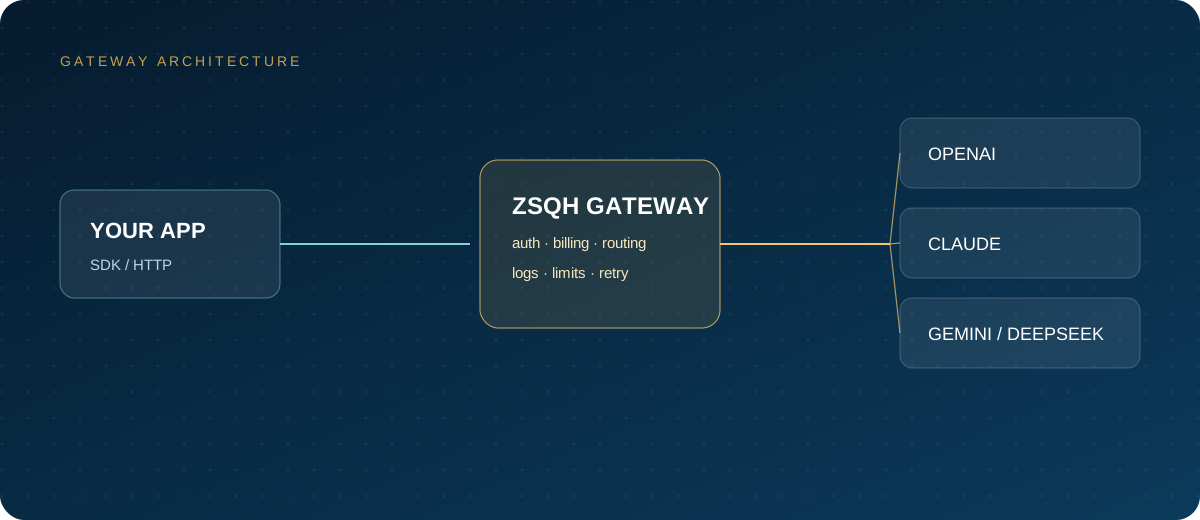
Prepare a backup path as well: a comparable image model, stock library, or external design resource all work, but verify prompt migration, aspect ratios, and commercial terms. A routing layer between the business and the models can split traffic by cost and quality; when connecting through an aggregation gateway, still confirm who the upstream is and who handles failures. Whether image models are offered on the site and how they are billed are subject to the model pricing page.
9. Pilot and acceptance
Run a small four-week pilot:
- Choose 2 to 3 real scenarios, such as detail-page hero images, feed assets, and packaging concept art.
- Fix the prompts and reference images so different channels are comparable.
- Have at least two reviewers score independently and record passes, rework, and rejection reasons.
- Have legal spot-check the licensing chain, portrait, and trademark risks, and security review the data flow.
- Calculate "cost per usable image" and record queueing and failure rates.
- Set acceptance thresholds and exit conditions; if they are not met, extend the pilot or switch approaches.
Discuss budget, seats, and contracts only after acceptance. Starting small and scaling up is safer than signing a long contract at once.
FAQ
Does Midjourney have an official API?
As of October 2026, the official entry points are still mainly the web app and Discord, and no standard API is publicly offered. Most "Midjourney APIs" on the market are third-party wrappers; before integrating, check the upstream source, terms, and failure responsibility. Whether one opens depends on official announcements.
Must a company above the revenue threshold buy a higher plan?
Under the terms, companies above a certain revenue level usually need a higher plan, and the threshold depends on the current version. Tell the vendor your revenue, entity, and seat count at procurement, and avoid using personal accounts to carry enterprise business.
Do AI-generated images have copyright?
Rules differ by jurisdiction and usually require substantial human creative input; the registrability and exclusivity of purely automated output are uncertain. Keep prompts, versions, and revision records, and consult a lawyer for high-value assets.
Can a third-party Midjourney API be used for commercial projects?
It depends on the upstream terms, account provenance, and contract. Many wrappers may violate platform terms, the project may be interrupted if an account is banned, and the third party cannot grant commercial rights. Do due diligence and define responsibility clearly before a commercial project.
How can I control the total cost of image generation?
Track "cost per usable image" by scenario, including subscription, retries, storage, and human review; run a small pilot to establish the acceptance rate before setting a budget. For categories with a low acceptance rate, switch to photography, stock images, or retouching.
Next steps
Define the scenarios and procurement target first, then use a small pilot to verify quality, cost, and compliance. If you need to manage keys, usage, and invoices across multiple models, create an account in ZSQH AI Gateway and check models and billing on the model pricing page. Prices and terms change, so the latest page is authoritative before signing.
Related reading: